Savoring Diversity: Food Experiences Around the World
- diggii3
- May 10
- 4 min read
Food is more than just sustenance; it is a reflection of culture, history, and identity. Every dish tells a story, and every meal is an opportunity to explore the rich tapestry of human experience. In this blog post, we will embark on a culinary journey around the globe, savoring the diversity of food experiences that different cultures offer. From street food stalls to fine dining, we will discover how food connects us, transcending borders and uniting people through shared flavors and traditions.
The Essence of Street Food
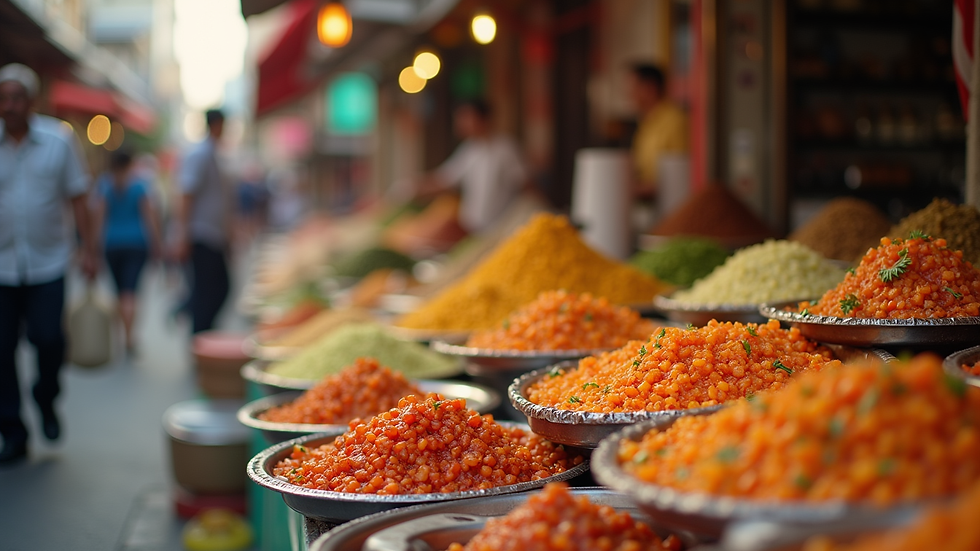
Street food is often the heart and soul of a city. It is where locals gather, and flavors collide in a delightful chaos. In many cultures, street food represents the everyday experience of eating, offering a taste of authenticity that is hard to replicate in restaurants.
Asia: A Melting Pot of Flavors
In Asia, street food is a vibrant part of life. For instance, in Thailand, the bustling streets of Bangkok are lined with vendors selling everything from spicy papaya salad to savory pad thai. The aroma of grilled meats and fresh herbs fills the air, inviting passersby to indulge in a quick bite.
In India, the streets come alive with the sound of sizzling pans and the vibrant colors of spices. Dishes like pani puri and chaat are not just food; they are an experience, often enjoyed in the company of friends and family.
Latin America: A Fiesta of Tastes
Latin America also boasts a rich street food culture. In Mexico, tacos al pastor are a must-try. These delicious tortillas filled with marinated pork, pineapple, and fresh cilantro are a staple of street vendors. The lively atmosphere of a taco stand, complete with the sounds of laughter and music, creates a memorable dining experience.
In Brazil, the street food scene is equally enticing. From the savory coxinha (chicken croquettes) to the sweet brigadeiro (chocolate truffles), Brazilian street food is a celebration of flavors that reflects the country's diverse heritage.
Fine Dining: A Culinary Art Form
While street food offers a glimpse into everyday life, fine dining elevates food to an art form. Chefs around the world are pushing the boundaries of creativity, using local ingredients to craft exquisite dishes that tell a story.
Europe: A Symphony of Flavors
In Europe, fine dining is often synonymous with tradition and innovation. In France, Michelin-starred restaurants serve dishes that are as visually stunning as they are delicious. The use of seasonal ingredients and meticulous presentation transforms a meal into a multisensory experience.
Italy, known for its rich culinary heritage, also boasts fine dining establishments that celebrate regional flavors. A meal in a high-end Italian restaurant might include handmade pasta paired with a delicate sauce, showcasing the chef's skill and passion for the craft.
Asia: A Fusion of Tradition and Modernity
Asian fine dining is equally impressive, blending traditional techniques with modern flair. In Japan, kaiseki dining offers a multi-course meal that emphasizes seasonal ingredients and artistic presentation. Each dish is carefully curated to create a harmonious balance of flavors and textures.
In China, fine dining experiences often include dim sum, where diners can sample a variety of small dishes. The emphasis on sharing and communal dining reflects the importance of family and togetherness in Chinese culture.
Culinary Festivals: A Celebration of Food
Culinary festivals around the world provide an opportunity to celebrate food and culture. These events bring together chefs, food enthusiasts, and local communities to showcase the diversity of flavors and culinary traditions.
The Taste of America
In the United States, food festivals like the New Orleans Jazz & Heritage Festival highlight the unique flavors of the region. From gumbo to beignets, attendees can indulge in a variety of dishes while enjoying live music and cultural performances.
Global Gastronomy
International food festivals, such as the Melbourne Food and Wine Festival, attract chefs and food lovers from around the globe. These events often feature cooking demonstrations, tastings, and workshops, allowing participants to learn about different cuisines and cooking techniques.
The Role of Food in Cultural Identity
Food plays a crucial role in shaping cultural identity. It is a way for communities to express their heritage and share their stories. Traditional recipes are often passed down through generations, preserving the flavors and techniques that define a culture.
Celebrations and Rituals
In many cultures, food is central to celebrations and rituals. For example, in Italy, family gatherings often revolve around meals, with dishes like lasagna and tiramisu taking center stage during holidays. Similarly, in Jewish culture, traditional foods like challah and matzo ball soup are integral to religious celebrations.
The Impact of Globalization
As the world becomes more interconnected, globalization has influenced culinary traditions. While this has led to the fusion of flavors and the introduction of new ingredients, it has also raised concerns about the preservation of traditional cuisines.
Embracing Diversity
Despite these challenges, many chefs and home cooks are dedicated to preserving their culinary heritage. By embracing diversity and celebrating the unique flavors of their cultures, they contribute to a richer global food landscape.
Conclusion: A Call to Explore
Food experiences around the world offer a unique lens through which we can understand and appreciate cultural diversity. Whether you are savoring street food in Bangkok or indulging in fine dining in Paris, each bite is an opportunity to connect with the stories and traditions of different cultures.
As you embark on your culinary adventures, remember to embrace the diversity of flavors and experiences that food has to offer. Explore local markets, try new dishes, and engage with the communities that create them. In doing so, you will not only satisfy your taste buds but also enrich your understanding of the world around you.
So, what are you waiting for? Grab your fork and start your journey of savoring diversity through food!


Comments